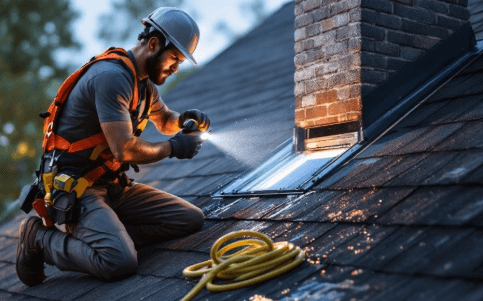
A roof does far more than complete the appearance of a home. It acts as the primary barrier against heat, storms, wind, and moisture throughout the year. In South Texas, where weather patterns can shift quickly and temperatures regularly climb, homeowners often underestimate how much stress their roofing systems endure over time.
From intense summer heat to seasonal thunderstorms, environmental conditions in the region create unique roofing challenges that require proactive attention. Understanding how weather affects roofing materials and overall structural performance can help homeowners avoid costly repairs and extend the lifespan of their roofs.
The Effects of Extreme Heat on Roofing Materials
South Texas experiences long periods of direct sunlight and high temperatures, especially during the summer months. Roofing materials constantly exposed to ultraviolet rays may gradually weaken, dry out, or lose flexibility.
Asphalt shingles are particularly vulnerable to prolonged heat exposure. Over time, the oils within the shingles can evaporate, causing cracking, curling, or granule loss. Once granules begin to wear away, shingles become less capable of protecting the home from moisture intrusion.
Metal roofing systems often perform better in high-heat environments because they reflect sunlight more efficiently. However, even durable materials can expand and contract repeatedly during daily temperature swings. Without proper installation techniques, this movement may loosen fasteners or create gaps around flashing areas.
Tile roofs also face challenges in hot climates. Although clay and concrete tiles are highly durable, thermal expansion and contraction can eventually lead to fractures if the roofing structure underneath shifts or settles.
Why Storm Damage Often Goes Unnoticed
One of the most common roofing misconceptions is that storm damage is always obvious. In reality, many forms of roof deterioration begin subtly and worsen over time.
High winds can loosen shingles without tearing them away completely. Small openings may then allow water to seep beneath the roofing surface during future storms. Hail damage can also compromise roofing materials even when there are no visible leaks immediately afterward.
Moisture intrusion often starts in vulnerable areas such as:
- Roof valleys
- Flashing around chimneys and vents
- Skylight edges
- Gutter attachment points
- Areas with aging sealant
After major weather events, homeowners should consider having their roofs inspected for hidden issues. Small repairs completed early can prevent more serious structural concerns later.
For homeowners researching regional roofing concerns and maintenance practices, working with an experienced San Antonio roofing company can provide valuable insight into local weather-related roofing challenges.
Seasonal Rainfall and Drainage Problems
Heavy rain is another major factor that impacts roofing systems throughout the year. Even a well-built roof can struggle if drainage components are neglected.
Clogged gutters are one of the leading causes of preventable roof damage. When leaves, debris, or dirt block water flow, rainwater may pool near the roof edge. Over time, standing water can deteriorate fascia boards, underlayment materials, and even the foundation of the home.
Poor drainage can also increase the risk of mold and mildew growth within attic spaces. Excess moisture trapped beneath roofing materials may weaken decking and insulation while reducing indoor air quality.
To reduce drainage-related roofing problems, homeowners should prioritize:
- Regular gutter cleaning
- Downspout inspections
- Roof debris removal
- Attic ventilation checks
- Seasonal roof evaluations
Routine maintenance is often far less expensive than major restoration projects caused by long-term water damage.
The Importance of Proper Roof Ventilation
Ventilation plays a critical role in maintaining roof performance, particularly in warm climates. Without adequate airflow, heat and moisture can accumulate inside the attic space, placing additional stress on roofing materials.
Poor ventilation may contribute to:
- Premature shingle aging
- Higher cooling costs
- Condensation buildup
- Mold development
- Reduced insulation efficiency
Balanced ventilation systems help regulate attic temperatures by allowing hot air to escape while drawing in cooler outside air. Ridge vents, soffit vents, and attic fans are commonly used to improve airflow and reduce excess heat buildup.
Many homeowners focus primarily on roofing materials themselves while overlooking the importance of ventilation design. However, even premium roofing products may fail prematurely if airflow issues remain unresolved.
Signs a Roof May Need Professional Attention
Not every roofing issue requires full replacement. In many cases, timely repairs can restore protection and extend the life of the existing roof. The key is recognizing warning signs before damage becomes severe.
Homeowners should monitor for:
Interior Warning Signs
- Water stains on ceilings
- Peeling paint near rooflines
- Mold or mildew odors
- Sudden increases in energy bills
Exterior Warning Signs
- Missing or curled shingles
- Sagging roof sections
- Granule buildup in gutters
- Rusted flashing
- Damaged vent boots
Age is another important consideration. While roofing lifespan varies by material, older roofs generally become more vulnerable to weather-related deterioration. Scheduling periodic inspections can help identify areas that require maintenance before emergencies occur.
See also: Roof Repair in Columbia MO – Prolific Exteriors Homeowner Guide
Why Preventive Maintenance Matters
Many roofing problems develop gradually over several years. Because damage often begins out of sight, homeowners may delay inspections until leaks or visible deterioration appear indoors.
Preventive maintenance helps reduce long-term costs while improving overall roof performance. Professional inspections can identify vulnerable areas, assess storm damage, and recommend repairs that preserve structural integrity.
A proactive roofing strategy may also improve energy efficiency and enhance property value. Buyers often view roof condition as a major factor when evaluating homes, especially in areas known for severe weather patterns.
In regions with intense sun exposure and seasonal storms, maintaining a roof should be viewed as an ongoing investment rather than a one-time project.
Conclusion
South Texas weather places continuous stress on residential roofing systems. Heat, storms, wind, and moisture each contribute to gradual wear that can eventually compromise a home’s protection and efficiency.
By understanding how environmental conditions affect roofing materials, homeowners can make more informed maintenance decisions and address issues before they become expensive repairs. Routine inspections, proper ventilation, effective drainage, and timely repairs all play a critical role in preserving roof performance over time.
Whether dealing with aging shingles, storm-related concerns, or general maintenance planning, staying proactive is one of the most effective ways to protect both the roof and the home beneath it.