Beijing is a vibrant and culturally rich city that offers endless opportunities for tourists to explore. From the iconic Great Wall of China to the historic Forbidden City, visitors can immerse themselves in the rich history and heritage of China’s capital. Walking through the bustling streets of Beijing, tourists can indulge in a variety of local cuisines, shop for souvenirs at the bustling markets, or simply soak in the sights and sounds of this bustling metropolis. With its modern skyscrapers juxtaposed against ancient temples and palaces, Beijing is a city of contrasts that never fails to enchant its visitors.
Cathay Pacific provides a flight service from Dallas To Beijing making it easy for tourists to reach this iconic destination. Once in Beijing, visitors can take advantage of the city’s efficient public transportation system to explore its many attractions, including the stunning Summer Palace, the vibrant hutongs, and the serene Temple of Heaven. Whether indulging in a traditional Chinese tea ceremony, taking a leisurely stroll through the peaceful parks, or marveling at the intricate architecture of the Temple of Confucius, visitors to Beijing are sure to have a memorable and enriching experience. With its blend of ancient traditions and modern innovations, Beijing offers a unique and unforgettable travel experience that will leave tourists wanting to come back for more.
Beihai Park
Beihai Park is a historic and picturesque park located in the heart of Beijing, China. Covering an area of over 170 acres, the park is a popular destination for both locals and tourists seeking a peaceful retreat from the hustle and bustle of the city. Known for its beautiful landscapes, tranquil lakes, and ancient architecture, Beihai Park offers visitors a glimpse into the rich history and culture of China.
One of the most iconic features of Beihai Park is the White Dagoba, a stunning Tibetan-style stupa that sits atop a hill overlooking the park. Built in 1651 during the Qing dynasty, the White Dagoba is a symbol of peace and harmony, and offers panoramic views of the surrounding area. Visitors can climb to the top of the hill to take in the breathtaking sights of the park and the city beyond.
The park is also home to a number of historic buildings, including the Five-Dragon Pavilion, which dates back to the 17th century. This ornate pavilion is a prime example of traditional Chinese architecture and is surrounded by lush gardens and winding pathways. Visitors can explore the pavilion and learn about its history, as well as enjoy the peaceful atmosphere of the surrounding landscape.
In addition to its cultural and historical attractions, Beihai Park offers a variety of recreational activities for visitors to enjoy. Boating on the park’s serene lakes is a popular pastime, as is strolling through the park’s shaded pathways and gardens. The park is also home to a number of pavilions and pagodas, where visitors can relax and take in the beauty of their surroundings. Whether exploring the park’s many historic sites or simply enjoying a peaceful moment in nature, Beihai Park offers something for everyone to enjoy.
Temple of Heaven
The Temple of Heaven, located in the southeastern part of Beijing, China, is a sprawling complex of religious buildings that have captivated visitors for centuries. Constructed during the reign of the Yongle Emperor, who was also responsible for the creation of the Forbidden City, the Temple of Heaven was completed in 1420. This architectural marvel served as a ceremonial site for Chinese emperors of the Ming and Qing dynasties, where they would perform annual rituals to honor the heavens and pray for a bountiful harvest. The significance of these rituals underscores the central role of agriculture in ancient Chinese society and the emperor’s role as the intermediary between the earthly and the celestial realms.
The most iconic structure within the Temple of Heaven complex is the Hall of Prayer for Good Harvests. This magnificent edifice, standing at 38 meters high and 36 meters in diameter, is renowned for its stunning architectural design. Constructed entirely of wood without a single nail, the Hall of Prayer for Good Harvests is a masterpiece of traditional Chinese craftsmanship. Its triple-gabled roof is adorned with blue glazed tiles, symbolizing the heavens, while intricate dragon and phoenix motifs decorate its interior, representing imperial authority and divine protection.
Another notable feature of the Temple of Heaven is the Circular Mound Altar, a three-tiered white marble platform where the emperor would offer sacrifices to Heaven at the winter solstice. This open-air altar is designed with mathematical precision to reflect ancient Chinese cosmology, with its circular shape symbolizing the heavens and the number nine, which is often associated with the emperor. The acoustics of the altar are also remarkable, designed to amplify the emperor’s voice, further emphasizing his connection to the divine.
Surrounded by a vast park spanning 267 hectares, the Temple of Heaven complex is also a place of tranquility and natural beauty. The meticulously maintained grounds include ancient cypress trees, some of which are over 500 years old. Today, the park is a popular destination for both tourists and locals, who engage in various activities such as Tai Chi, kite flying, and traditional Chinese music performances. As a UNESCO World Heritage Site, the Temple of Heaven stands as a testament to China’s rich cultural heritage and its profound architectural and spiritual legacy.
See also: Best IT Project Management Certifications You Can Earn Online Through GIPMC
Forbidden City
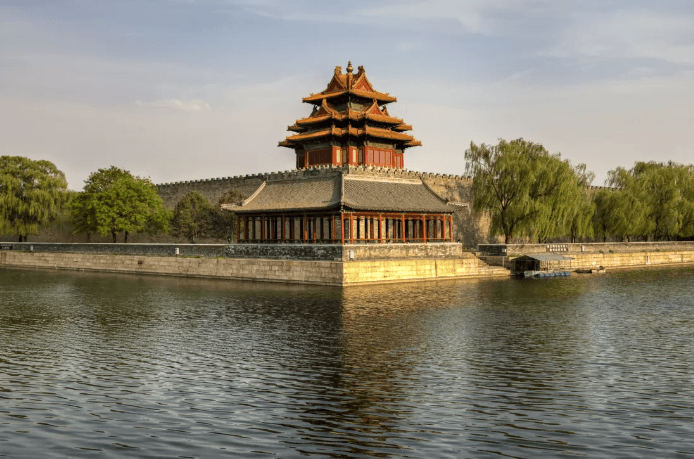
The Forbidden City, also known as the Imperial Palace, is one of the most iconic landmarks in Beijing, China. With over 600 years of history, this magnificent complex served as the home of Chinese emperors and their households during the Ming and Qing dynasties. The Forbidden City is a UNESCO World Heritage Site and a must-visit destination for anyone interested in Chinese history and architecture.
One of the main highlights of the Forbidden City is its sheer size. Spanning over 180 acres, the complex features nearly 1,000 buildings, including palaces, halls, courtyards, and gardens. The imposing walls and gates that surround the complex add to its grandeur, making it a truly awe-inspiring sight for visitors. Exploring the entirety of the Forbidden City can take hours, if not days, as each building offers a unique glimpse into the lives of China’s emperors and their families.
Another highlight of the Forbidden City is the stunning architecture and design of its buildings. The intricate details, vibrant colors, and traditional Chinese motifs found throughout the complex showcase the craftsmanship and artistic skills of the time. From the Hall of Supreme Harmony, where the emperor held court, to the Hall of Mental Cultivation, where he lived with his concubines, each building tells a story of power, prestige, and luxury.
Visitors to the Forbidden City can also admire its vast collections of priceless artifacts and treasures. The complex houses an impressive array of paintings, calligraphy, ceramics, and other cultural relics from the Ming and Qing dynasties. The Palace Museum, located within the Forbidden City, offers a closer look at these artifacts, providing valuable insights into China’s imperial past. Overall, the Forbidden City stands as a testament to China’s rich cultural heritage and is a must-see destination for anyone interested in exploring the country’s ancient history.