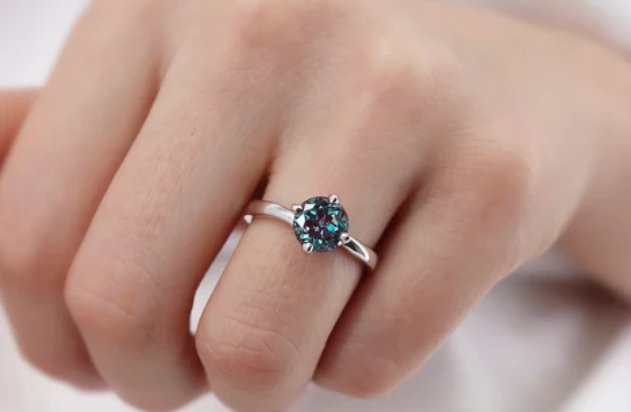
Alexandrite is a unique and highly coveted gemstone, renowned for its extraordinary color-changing properties. In daylight, it often appears green or bluish-green, while under incandescent light, it can shift to red or purplish-red. This rare optical phenomenon makes alexandrite an exceptional choice for rings, especially engagement rings and statement jewellery. While natural alexandrite is rare and expensive, lab grown alexandrite offers a more affordable and sustainable alternative without sacrificing beauty or quality.
When buying an alexandrite ring, whether natural or lab grown, there are several key factors to consider to ensure you select a piece that is both beautiful and durable.
Color Change Quality
The most important characteristic of alexandrite is its color-changing ability. High-quality alexandrite displays a distinct and dramatic shift between green and red under different lighting conditions. Stones with a strong, clear color change are generally more valuable.
For lab grown alexandrite, the color-change effect is engineered to replicate natural alexandrite precisely. Buyers should examine the stone under various lighting conditions to evaluate the quality of the color transition. A vivid, noticeable change indicates a high-quality alexandrite, whether it is natural or lab grown.
Clarity and Inclusions
Like other gemstones, clarity plays a significant role in determining the beauty and value of alexandrite. Inclusions are common, but those that interfere with transparency or the color-change effect can reduce the stone’s appeal. Ideally, you want a stone with minimal inclusions that do not detract from its overall visual impact.
One advantage of lab grown alexandrite is that it often exhibits fewer inclusions compared to natural stones, making it easier to find a clear, high-quality gem. Even if minor inclusions are present, they are usually far less noticeable than in natural alexandrite, allowing the stone’s color-change properties to take center stage.
Cut and Shape
The cut of an alexandrite greatly influences its brilliance and ability to showcase its unique color change. Well-cut stones maximize light reflection and enhance the color-transition effect. Round and oval cuts are popular for engagement rings, but custom shapes like cushions or emerald cuts can also create striking visual effects.
When considering lab grown alexandrite, buyers have greater flexibility in choosing larger stones or custom cuts without the high cost associated with natural alexandrite. The precision of lab-grown production ensures that the cut can be optimized to highlight the stone’s most appealing characteristics.
Size and Carat Weight
The rarity of alexandrite affects its price, and larger stones are particularly scarce and expensive. When buying a natural alexandrite ring, size often comes with a significant premium. In contrast, lab grown alexandrite allows buyers to access larger, high-quality stones at a fraction of the cost. This makes it possible to select an impressive carat weight without compromising on color or clarity.
Setting and Metal Choice
The setting of an alexandrite ring is just as important as the stone itself. Because alexandrite is slightly softer than diamonds and sapphires, with a hardness of 8.5 on the Mohs scale, protective settings such as bezels or prongs are recommended, especially for rings intended for daily wear. Metals like platinum, white gold, or yellow gold can complement the stone’s colors while offering durability and security.
For lab grown alexandrite, the same considerations apply. Even though the stone is lab-created, it still requires a sturdy setting to protect it from potential scratches or impacts.
Certification and Authenticity
When purchasing an alexandrite ring, always request a certificate of authenticity from a reputable gemological laboratory. This ensures that the stone’s quality, origin, and treatment history are accurately documented.
Even for lab grown alexandrite, certification is important. It verifies that the stone is indeed synthetic and has not undergone undisclosed treatments. A certificate also provides confidence in the value and quality of your purchase, making it easier to insure the ring and maintain its resale value.
Budget Considerations
Alexandrite is one of the rarest gemstones, and natural stones can be extremely expensive. Lab grown alexandrite offers a more affordable option while providing the same visual appeal and durability. Buyers should consider their budget carefully, balancing factors such as carat weight, clarity, and color-change quality with price. Choosing lab grown alexandrite allows for a larger or higher-quality stone within a more accessible price range.
Personal Style and Occasion
Finally, consider your personal style and how you plan to wear the ring. Alexandrite’s unique color-changing feature makes it versatile and eye-catching. For engagement rings, the stone can symbolize adaptability, balance, and transformation. Lab grown alexandrite allows couples to enjoy these symbolic qualities without the cost of natural stones, making it ideal for meaningful jewellery gifts.
Conclusion
Buying an alexandrite ring involves more than selecting a beautiful gemstone; it requires careful consideration of color-change quality, clarity, cut, size, setting, and certification. Natural alexandrite is rare and expensive, but lab grown alexandrite provides an accessible and sustainable alternative that retains all the beauty, durability, and symbolism of natural stones.
By paying attention to these key factors, buyers can ensure that their alexandrite ring, whether natural or lab grown alexandrite, is both stunning and long-lasting. From dramatic color transitions to precise cuts and protective settings, choosing the right alexandrite ring guarantees a piece of jewellery that is visually captivating and personally meaningful for years to come.