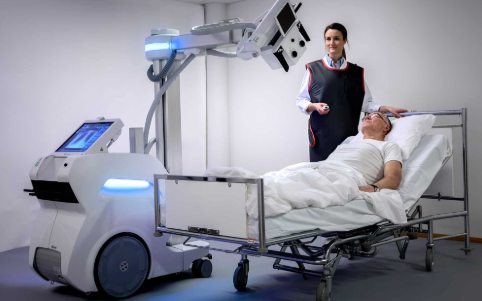
Medical imaging depends heavily on precision, stability, and safety. At the core of this reliability lies the x-ray tube power supply, a critical component that ensures consistent performance and accurate diagnostic results. Without a dependable power system, even the most advanced imaging equipment can fail to deliver clear images. These systems are designed to regulate voltage, manage current, and support the demanding needs of modern radiology environments.
In today’s fast-paced healthcare industry, imaging equipment must operate seamlessly. Power supply units are not just technical components; they are essential for ensuring patient safety and diagnostic accuracy. From small clinics to large hospitals, every setup relies on robust engineering that balances performance and efficiency.
Understanding the Role of Power Supply in X-Ray Systems
Power supply systems act as the backbone of imaging equipment, ensuring that every operation runs smoothly and without interruption. Their role extends beyond simply delivering electricity. These systems are engineered to provide stable and controlled energy output, which is essential for accurate imaging results.
What Makes It Essential?
To better understand their importance, let’s look at the key responsibilities they handle:
- Voltage regulation for consistent imaging output
- Current control to prevent tube damage
- Protection mechanisms for safe operation
- Energy efficiency to reduce operational costs
These functions ensure that imaging devices perform reliably under different conditions.
Key Components of a Power Supply System
Every efficient system is made up of multiple components working together in harmony. Understanding these elements helps in making better decisions when selecting equipment. Each part contributes to the overall performance and durability of the system.
Core Elements Explained
Here are the main components that form the foundation of a reliable setup:
- High-voltage transformer
Converts low voltage into high voltage required for X-ray production - Rectifier circuits
Convert alternating current (AC) into direct current (DC) - Control unit
Manages exposure time, voltage levels, and current flow - Cooling system
Prevents overheating and extends equipment lifespan
Together, these components ensure smooth and efficient operation.
How Modern Systems Improve Imaging Efficiency
Advancements in technology have significantly improved the performance of power supply systems. These innovations are designed to meet the growing demands of modern healthcare facilities. They not only enhance efficiency but also improve user experience and safety.
Technological Advancements
Some of the latest improvements include:
- Digital control systems for precise adjustments
- Compact designs for space-saving installations
- Energy-efficient modules reducing power consumption
- Enhanced safety features for operators and patients
These features help deliver faster, safer, and more accurate imaging.
See also: How to Choose Durable Engineered Wood Flooring
Benefits of High-Quality Power Supply Systems
Choosing a high-quality system can make a noticeable difference in performance and reliability. It ensures that imaging equipment operates at its best. Such systems are designed to minimize risks and maximize output.
Why Quality Matters
Here are some key benefits:
- Consistent image quality
Stable voltage ensures clear and accurate imaging - Extended equipment life
Proper regulation reduces wear and tear - Reduced maintenance costs
Fewer breakdowns mean lower repair expenses - Improved safety standards
Built-in protections minimize risks
These advantages make quality systems a valuable investment.
Design Considerations for Optimal Performance
Before selecting a system, it’s important to evaluate specific design factors. These considerations help ensure compatibility and long-term efficiency. Making informed choices can prevent future operational challenges.
What to Look For
Key factors include:
- Load capacity and compatibility
- Voltage stability and precision
- Cooling efficiency
- Safety certifications
- Ease of maintenance
Focusing on these aspects ensures better performance and reliability.
Insight on Power System Importance
As imaging technology continues to evolve, the demand for more advanced and reliable systems increases. This is where the x-ray tube power supply plays a vital role in maintaining consistency and performance.
It supports high-frequency operations and ensures stable output, even under demanding conditions, making it indispensable for modern imaging setups.
Exploring Machine-Level Power Integration
Power systems are not limited to individual components; they also function at the machine level. This broader integration ensures that all parts of the equipment work in sync.
Such coordination is essential for achieving seamless and efficient performance.
System-Wide Coordination
The system manages energy distribution across the entire machine, ensuring that every component receives stable and controlled energy for smooth operation.
Key aspects include:
- Synchronization between components
- Efficient power distribution
- Real-time monitoring and adjustments
- Fault detection and protection mechanisms
This level of integration enhances reliability and operational efficiency, supported by the x-ray machine power supply.
Advantages of Advanced Machine Power Systems
Modern systems are designed to improve overall performance and streamline workflows. They help healthcare providers deliver better results with less effort.
These systems are built with user convenience and efficiency in mind.
Enhancing Overall Performance
Benefits include:
- Faster imaging cycles
- Reduced energy consumption
- Improved system stability
- Enhanced user control and interface
These features contribute to smoother operations and improved outcomes.
Maintenance and Safety Best Practices
Maintaining power systems is crucial for ensuring long-term performance. Regular care helps prevent unexpected failures and costly repairs. Safety should always remain a top priority during operation and maintenance.
Keeping Systems Reliable
Best practices include:
- Routine inspections and testing
- Monitoring voltage and current levels
- Cleaning and maintaining cooling systems
- Replacing worn-out components promptly
Following these steps ensures consistent and safe operation.
Future Trends in Power Supply Technology
The future of imaging technology is driven by innovation and efficiency. Power supply systems are evolving to meet these changing demands. New advancements are focused on improving performance while reducing energy consumption.
What Lies Ahead
Emerging trends include:
- Smart power management systems
- Integration with AI-based diagnostics
- Enhanced energy efficiency solutions
- Compact and modular designs
These developments are shaping the next generation of imaging systems.
Conclusion
As systems become more advanced, understanding their complete functionality becomes essential. The x-ray machine power supply plays a central role in ensuring smooth and efficient operation. It supports synchronization, enhances safety, and contributes to overall system performance, making it a key component in modern imaging technology. Reliable power systems are the foundation of effective imaging technology. They ensure precision, safety, and efficiency in every diagnostic procedure.
From individual components to fully integrated systems, each element contributes to delivering accurate and dependable results. If you are looking for trusted and high-performance solutions, VJ X-Ray is your ideal partner. With a strong focus on innovation and quality, VJ X-Ray provides advanced systems tailored to modern healthcare needs. Choose VJ X-Ray for dependable performance, expert support, and cutting-edge technology that elevates your imaging capabilities.