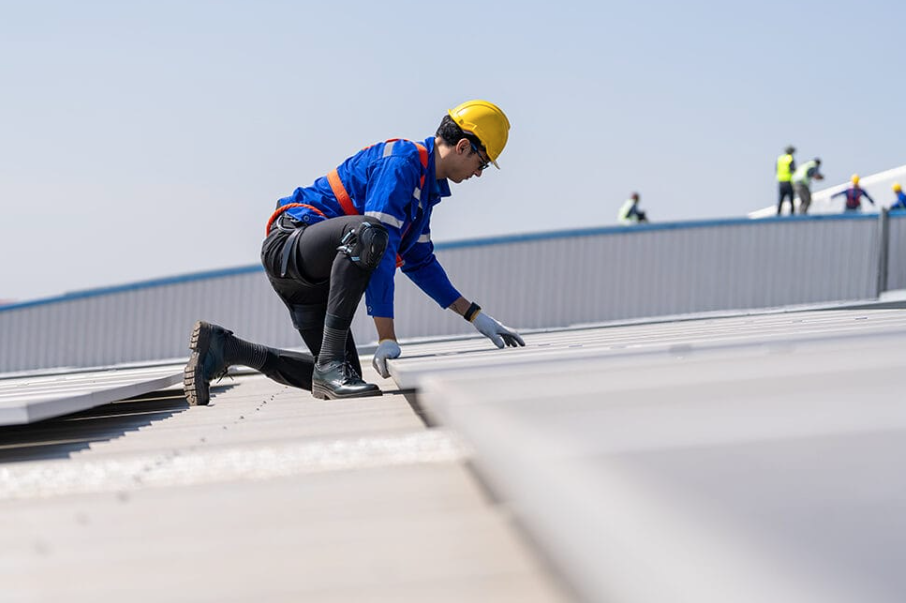
A roof is one of the most important structural elements of any home, yet it is often overlooked until a problem becomes impossible to ignore. Small leaks, damaged shingles, and clogged gutters may seem minor at first, but these issues can quickly turn into expensive repairs if they are not addressed early. Homeowners who take a proactive approach to roof maintenance often save money, extend the lifespan of their roofing system, and avoid major disruptions to daily life.
In communities where seasonal weather changes, humidity, and storms are common, roof care becomes even more important. Understanding the basics of roof maintenance can help homeowners make informed decisions and protect their property for years to come.
Why Roof Maintenance Matters
Many homeowners assume that a roof only needs attention when visible damage appears. In reality, roofing systems experience wear and tear long before problems become obvious indoors. Wind, rain, UV exposure, and fluctuating temperatures gradually weaken materials over time.
Routine maintenance provides several important benefits:
- Helps identify minor issues before they become major repairs
- Extends the overall lifespan of roofing materials
- Improves energy efficiency by preventing ventilation issues
- Protects insulation and interior structures from water damage
- Maintains curb appeal and property value
Ignoring maintenance often leads to hidden moisture problems, mold growth, damaged decking, or compromised insulation. These repairs can become significantly more expensive than regular inspections and preventive care.
See also: What Is Smart Home Technology?
Common Signs of Roof Trouble
Some roofing problems develop slowly, making them difficult to detect without periodic inspections. However, there are several warning signs homeowners should never ignore.
Missing or Damaged Shingles
Shingles that are cracked, curling, or missing entirely can expose the underlying roof structure to moisture intrusion. Even a small section of damage can allow water to penetrate beneath the surface.
Water Stains Indoors
Discoloration on ceilings or walls may indicate a roof leak. Water often travels before becoming visible, meaning the source of the leak may not be directly above the stain.
Sagging Areas
A sagging roofline can signal structural weakness or trapped moisture within the roofing system. This issue should be evaluated promptly to prevent further deterioration.
Granules in Gutters
As asphalt shingles age, they shed protective granules. Finding excessive granules in gutters may indicate that the roof is nearing the end of its functional lifespan.
Rising Energy Bills
Poor attic ventilation or roofing damage can impact insulation performance, causing heating and cooling systems to work harder.
The Value of Professional Inspections
While homeowners can identify obvious concerns from the ground, professional inspections provide a more complete evaluation. Roofing professionals are trained to spot subtle signs of deterioration that may not be visible to the untrained eye.
Regular inspections are particularly important after:
- Severe storms or high winds
- Heavy rainfall events
- Falling tree branches
- Hailstorms
- Long periods of extreme heat
A qualified roofing contractor can assess flashing, ventilation systems, underlayment, drainage, and structural integrity. These evaluations help homeowners plan for maintenance or replacement before emergencies occur.
For homeowners seeking guidance on roofing materials, maintenance practices, or replacement planning, working with an experienced Peachtree City roofing company can provide valuable insight into protecting residential properties effectively.
Choosing the Right Roofing Materials
Not all roofing systems perform the same way under different environmental conditions. Selecting the right material depends on several factors, including climate, budget, architectural style, and long-term maintenance goals.
Asphalt Shingles
Asphalt shingles remain one of the most popular roofing choices because they are affordable, versatile, and widely available. Modern shingles come in a variety of colors and styles that complement different home designs.
Metal Roofing
Metal roofs are known for durability and energy efficiency. They can withstand severe weather conditions and often last significantly longer than traditional shingles.
Tile Roofing
Tile roofs offer a distinctive appearance and excellent longevity. However, they tend to be heavier and may require additional structural support.
Architectural Shingles
Architectural shingles provide enhanced durability and a more dimensional appearance compared to standard three-tab shingles. Many homeowners choose them for both performance and aesthetics.
Understanding the advantages and limitations of each option helps homeowners make smarter long-term investments.
Seasonal Roof Care Tips
Preventive maintenance throughout the year can reduce the risk of sudden roofing issues.
Spring and Summer
- Check for storm damage after heavy rainfall
- Inspect gutters and downspouts for blockages
- Trim overhanging tree branches
- Look for algae or moss growth
Fall
- Remove leaves and debris from gutters
- Schedule a professional inspection before winter
- Ensure attic ventilation is functioning properly
Winter
- Watch for signs of ice dam formation
- Monitor indoor ceilings for leaks
- Remove heavy debris accumulation when safe
Consistent attention during each season can prevent minor concerns from escalating into major structural issues.
How Roof Health Impacts Property Value
A well-maintained roof contributes significantly to a home’s overall value. Buyers often view the roof as one of the most important components during the purchasing process. An aging or visibly damaged roof can reduce buyer confidence and create concerns about future repair costs.
On the other hand, a newer or properly maintained roof may:
- Improve resale appeal
- Increase buyer confidence
- Support higher property valuations
- Reduce negotiation issues during inspections
Even homeowners who are not planning to sell immediately benefit from maintaining the condition of their roof. Preventive care helps preserve the integrity of the entire home.
Planning for Roof Replacement
Every roofing system eventually reaches the end of its lifespan. The timing depends on factors such as material quality, installation standards, weather exposure, and maintenance history.
Homeowners should begin planning for replacement before significant failures occur. Waiting too long may lead to interior water damage, insulation problems, or structural deterioration.
Some indicators that replacement may be necessary include:
- Frequent leak repairs
- Widespread shingle damage
- Noticeable sagging
- Extensive granule loss
- Roof age approaching manufacturer expectations
Planning ahead allows homeowners to budget appropriately, compare material options, and schedule work during favorable weather conditions.
Conclusion
Roof maintenance is not simply about fixing problems after they appear. It is about protecting a home’s structure, improving long-term efficiency, and avoiding costly surprises. Small preventive measures can significantly extend the lifespan of a roofing system while preserving comfort and property value.
Homeowners who stay proactive with inspections, seasonal maintenance, and timely repairs often experience fewer emergencies and lower long-term costs. By understanding the warning signs of roof damage and investing in regular upkeep, property owners can make informed decisions that benefit both their homes and their budgets for years to come.