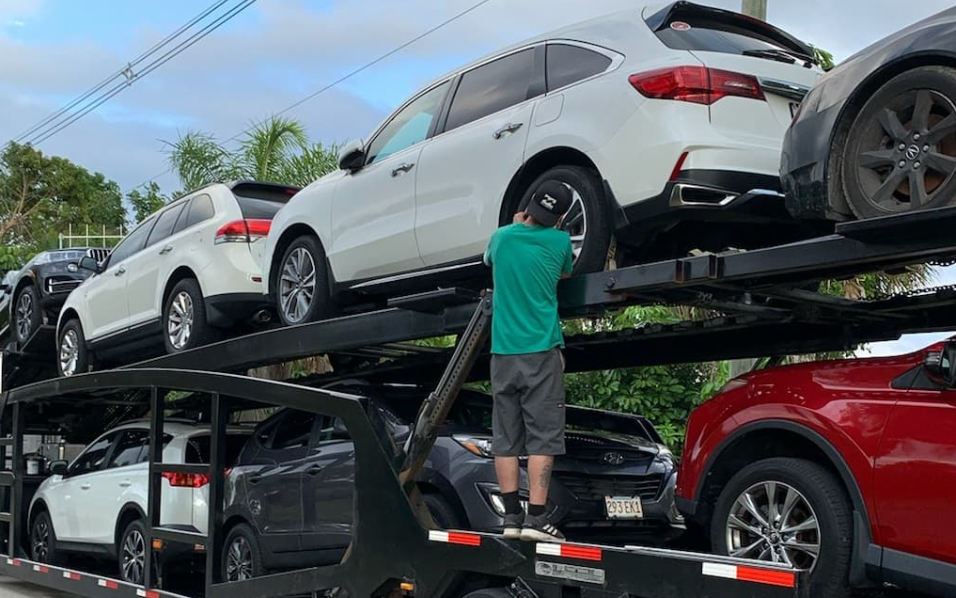
Shipping an electric vehicle (EV) isn’t the same as shipping a gas-powered car. From battery safety to ground clearance and transport regulations, EVs come with a different set of requirements that many owners — and even some carriers — don’t fully understand.
If you’re planning a long-distance move in 2026, choosing the right transport method and provider is critical. Many owners now prefer Navi enclosed auto transport for EV shipping because it offers better protection and aligns more closely with the unique needs of electric vehicles.
Here’s everything you need to know before shipping your EV safely.
Why EV Transport Requires a Different Approach
Electric vehicles are heavier, more sensitive to handling, and often have lower ground clearance due to battery placement.
This creates additional risks during transport, including:
- Undercarriage damage from improper loading
- Battery-related safety concerns
- Limited ability to move the vehicle if fully discharged
- Higher repair costs if damage occurs
Unlike traditional vehicles, EVs require more precise handling — especially during loading and unloading.
See also: What Is Smart Home Technology?
Recommended Charge Level Before Shipping
One of the most important (and often overlooked) steps is setting the correct battery charge level before transport.
Most carriers recommend:
- 20% to 50% battery charge
Why not full?
- Fully charged batteries increase weight and safety risk
- Low charge levels reduce fire risk in rare emergency situations
- Carriers need enough charge to load and unload the vehicle
Shipping with 20–50% battery ensures safe handling while keeping the vehicle operational if needed.
Ground Clearance and Loading Risks
Many EVs have low ground clearance because of battery placement underneath the vehicle.
This increases the risk of:
- Scraping during loading
- Undercarriage damage
- Alignment issues
Standard loading ramps may not be suitable for all EV models.
That’s why many owners choose Navi enclosed auto transport, which often includes:
- Lift gate loading
- Controlled handling
- Reduced loading angles
Lift gates allow the vehicle to remain level during loading, minimizing the risk of damage.
Battery and Manufacturer Disclaimers
Another key difference with EV transport involves battery-related disclaimers.
Transport providers typically:
- Do not insure internal battery performance
- Do not cover pre-existing battery issues
- Require the vehicle to be in operable condition (in most cases)
If your EV has known battery issues, it’s important to disclose them before shipping.
Some carriers may refuse transport for vehicles with:
- Faulty battery systems
- Warning lights related to battery health
- Charging issues
Transparency upfront prevents delays or cancellations later.
Why Enclosed Transport Is Recommended for EVs
While open transport is widely used, EV owners increasingly choose enclosed shipping for added protection.
With Navi enclosed auto transport, vehicles are protected from:
- Weather exposure
- Road debris
- Dust and environmental contaminants
- Excessive handling
EVs often have:
- Sensitive sensors
- Advanced electronics
- Premium finishes
Enclosed trailers reduce the risk of external damage, making them a safer choice for long-distance transport.
Weight Considerations and Carrier Capacity
Electric vehicles are significantly heavier than gas-powered cars.
For example:
- EVs can weigh 20–30% more than comparable vehicles
- Heavier vehicles reduce trailer capacity
- Some carriers may charge higher rates for EV transport
This is another reason why working with experienced providers — like those offering Navi enclosed auto transport — matters.
They are more likely to match your vehicle with carriers equipped to handle EV-specific requirements.
Pre-Transport Checklist for EV Owners
Before shipping your EV, follow this checklist:
1. Set Battery Charge Level
Keep it between 20–50%.
2. Check for Software Updates
Ensure the vehicle is functioning normally before shipment.
3. Disable Remote Access (if needed)
Some owners temporarily disable app access for security reasons.
4. Document Vehicle Condition
Take detailed photos of:
- Exterior panels
- Wheels
- Undercarriage (if possible)
- Charging port area
5. Remove Personal Items
Cargo insurance typically does not cover items inside the vehicle.
6. Confirm Charging Requirements at Delivery
Make sure you’ll have access to charging at your destination.
Timing and Scheduling Tips
EV transport requires slightly more coordination than standard vehicles.
To avoid issues:
- Book at least 1–2 weeks in advance
- Confirm carrier experience with EVs
- Stay flexible with pickup windows
- Avoid peak shipping seasons if possible
Better planning leads to smoother execution.
Choosing the Right Transport Provider
Not all transport companies are equipped to handle EVs properly.
When selecting a provider, look for:
- Experience with electric vehicles
- Enclosed transport availability
- Lift gate loading options
- Clear insurance coverage
- Strong communication
One option many EV owners consider is Navi Auto Transport, which coordinates shipments through licensed carriers and offers enclosed transport solutions tailored for high-value and sensitive vehicles.
Common Mistakes to Avoid
When shipping an EV, avoid:
- Fully charging the battery before transport
- Using open transport for high-value vehicles
- Skipping documentation
- Not confirming carrier experience
- Booking last-minute
- Ignoring ground clearance issues
Each of these increases risk unnecessarily.
Final Thoughts
Shipping an electric vehicle long distance requires more planning and attention to detail than standard car transport.
From battery charge levels to loading methods and insurance limitations, every step matters.
Choosing Navi enclosed auto transport provides an added layer of protection, especially for high-value EVs where even minor damage can be costly.
If you prepare properly and work with the right provider, your EV can be transported safely, efficiently, and without unnecessary stress — exactly how it should be.