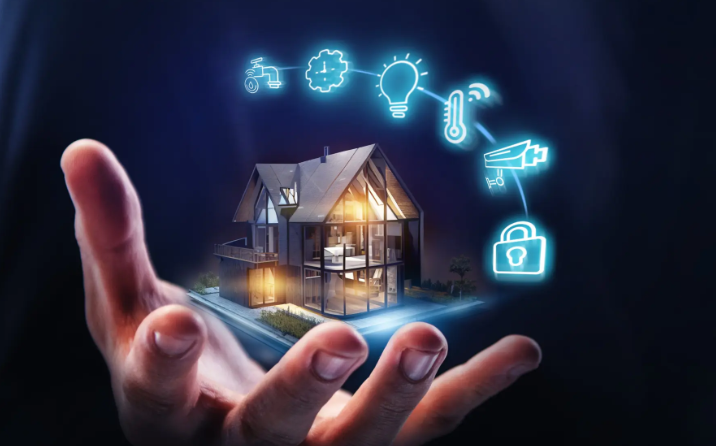
Smart home technology represents a significant shift in how individuals interact with their living environments. It encompasses a variety of interconnected devices designed to improve safety, convenience, and energy efficiency. From smart thermostats to security systems, these technologies create a seamless living experience. However, the implications of this integration go beyond mere convenience. Exploring the key components and benefits reveals a transformative potential that reshapes modern living. What lies ahead as innovation continues to unfold?
Understanding Smart Home Technology
What makes smart home technology so appealing to modern homeowners? The integration of smart devices into home automation offers unparalleled convenience and control, allowing individuals to manage their environments effortlessly.
Homeowners appreciate the flexibility to customize settings and enhance energy efficiency, ultimately promoting a sense of independence. This technological evolution fosters a lifestyle where comfort and security are prioritized, aligning with the desire for personal freedom.
See also: What Is Mobile Technology?
Key Components of Smart Home Systems
At the heart of smart home systems lie several key components that work in concert to create an integrated living environment.
Smart devices, such as thermostats and security cameras, enhance user experience, while automation protocols facilitate seamless communication between them.
This interconnected ecosystem not only optimizes functionality but also empowers users to tailor their living spaces according to personal preferences and lifestyle choices.
Benefits of Smart Home Technology
While many individuals may initially view smart home technology as a luxury, its benefits extend far beyond mere convenience.
Enhanced energy efficiency reduces utility costs, empowering homeowners to make eco-friendly choices.
Additionally, home automation streamlines daily tasks, providing individuals with more time and freedom to focus on their interests.
Future Trends in Smart Home Innovation
As technology continues to advance, the future of smart home innovation promises to revolutionize how individuals interact with their living spaces.
The integration of artificial intelligence will enhance automation, allowing systems to learn preferences and optimize energy usage.
Voice control will become increasingly intuitive, enabling seamless communication with devices, thus empowering users to create personalized environments that enhance comfort and convenience in their homes.
Conclusion
In conclusion, smart home technology not only simplifies daily routines but also enhances security and energy efficiency, addressing common concerns about complexity and cost. While some may argue that the initial investment can be daunting, the long-term benefits—ranging from reduced utility bills to increased home value—often outweigh these concerns. As innovation continues to evolve, smart homes are poised to become an integral part of modern living, providing comfort and convenience tailored to individual lifestyles.